The three-class e-bike system is the spine of everything else: Class 1 is pedal-assist only to 20 mph, Class 2 adds a throttle to 20 mph, and Class 3 assists to 28 mph and usually brings helmet and age rules with it. Everything else in this subject — frame shapes, motor placement, wheel size, gearing, whether a machine is legally a bicycle at all — hangs off those three buckets and the federal low-speed electric bicycle definition underneath them. Get the class right for where and how you ride, and the rest of the choices get much simpler.
The federal baseline, and why the classes exist on top of it
Federal law defines a low-speed electric bicycle as a two- or three-wheeled vehicle with fully operable pedals and a motor under 750 watts, whose top speed on a paved level surface under motor power alone, with a 170-pound rider aboard, is less than 20 mph. Those numbers date to 2002 and they are a ceiling, not a menu. The classes were built by states on top of that baseline so that a bicycle shop, a police officer, and a land manager could all point at the same machine and agree on what it is.
The practical consequence is that "e-bike" is not one product category in law. A Class 1 bike is a bicycle nearly everywhere in the United States. A Class 3 bike is still a bicycle in many states but carries extra conditions — commonly a helmet requirement and a minimum rider age, and often restrictions on where it may be ridden. A machine that exceeds the federal envelope, either by running past 20 mph on motor alone or by carrying a motor rated above 750 watts, can be treated as a motor vehicle, which drags in licensing and registration. That is the cliff edge. Most of the confusion people bring to this subject comes from buying something on the far side of it without realizing.
The 170-pound test rider in the definition is worth noticing for a mundane reason: the speed limit is defined under a stated load, so a lighter rider on a full battery on a slight downgrade will see more than the sticker number. That is normal and not a defect. What matters legally is the motor's rating and its behavior under the test conditions, not what your GPS said on a steep hill.
Class 1, 2, and 3: what each one actually feels like and costs you
Class 1 is pedal-assist only — the motor helps while you turn the cranks and cuts out at 20 mph. There is no throttle, so you cannot move the bike without pedaling. That single fact is why Class 1 is the class with the widest access: it is the version most commonly allowed on shared paths and in the places where a throttle bothers land managers. The cost is real, though. Starting from a dead stop on a hill with a loaded rear rack means you are pushing with your legs and the motor is only helping once you are already moving.
Class 2 adds a throttle and can be propelled by motor alone up to 20 mph. For anyone who commutes in street clothes, hauls cargo, or has a knee that complains, the throttle is the feature that turns an e-bike into a car replacement rather than a fast bicycle. The trade-off is access. Throttle bikes are the ones most likely to be excluded from paths and trails, and if you ride above 20 mph on motor alone or fit a motor above 750 watts, you are in motor-vehicle territory under state law.
Class 3 assists up to 28 mph, usually pedal-assist only, and is the class that makes a long commute by bike plausible against traffic. It is also the class with strings attached — additional age and helmet requirements compared with Class 1 and 2 in many states, and the one you should not buy for a teenager without reading your state's statute first. Note that the federal low-speed definition tops out below 20 mph on motor alone; Class 3 exists because states chose to write a higher pedal-assist ceiling, not because the federal number moved.
| Class | Motor help | Speed ceiling | Typical restriction |
|---|---|---|---|
| Class 1 | Pedal-assist only | 20 mph assist cutoff | Broadest path and trail access |
| Class 2 | Throttle plus pedal-assist | 20 mph on motor alone | Often excluded from paths and trails |
| Class 3 | Usually pedal-assist only | 28 mph assist | Common helmet and age rules; some route bans |
If you are uncertain, buy Class 1. It is the least likely to be turned away anywhere, and the assist cutoff at 20 mph is not a limitation most riders notice on a path. Buy Class 3 only if your route is a road commute long enough that the extra speed changes your decision to ride at all. Buy Class 2 if the throttle is doing real work for you — cargo, hills, heat, a bad knee — and accept that some trails are closed to you.
Frame and riding position: the choice that decides everything downstream
Step-through versus step-over is the first physical decision, and on an e-bike it matters more than on a pedal bike because the machine is heavier and you are more likely to be starting and stopping with a load aboard. A step-through frame lets you mount with a rear rack full of groceries and a child seat behind you; a step-over frame is stiffer and tracks better at speed, which you notice most on a Class 3 bike at the top of its assist range. Neither is better. They answer different questions.
Upright city and dutch-style frames put your weight on the saddle, give you a commanding view of traffic, and pair naturally with fenders, chain guards, and a front basket. They are miserable into a headwind and slow to steer at speed. Sportier frames with a forward lean put weight on your hands and suit longer, faster rides — the geometry that makes a Class 3 commuter feel planted. Cargo frames, longtails, and midtails stretch the wheelbase to carry loads; they steer slowly when empty and are the wrong bike if you never actually carry anything, because you pay for the length every time you park it.
Wheel size is the quiet variable. Smaller wheels accelerate and turn quickly and keep the frame low, which is why they show up on compact and cargo designs; larger wheels roll over rough pavement better and hold speed with less effort. Folding frames trade ride quality for the ability to go in a trunk or under a desk, and the hinge is the part that wears. If you are storing a bike in an apartment stairwell, the fold is worth the compromise. If you have a garage, it is not.
Motor and drivetrain: where the power sits changes how the bike behaves
Mid-drive motors sit at the bottom bracket and drive through the bike's gears, so the motor benefits from shifting down for a hill the same way your legs do. That makes them the better choice for steep terrain and heavy loads, and it keeps weight centralized, which you feel in how the bike handles. The cost is wear: a mid-drive puts its torque through the chain and cassette, and drivetrain components on a powerful mid-drive bike wear faster than on a hub-motor bike. You will replace chains and cassettes sooner, and you should budget for it.
Hub motors sit in the wheel and drive it directly, independent of your gearing. They are simpler, cheaper, and require less of the drivetrain, which suits flat commutes and throttle-heavy Class 2 use. The trade-off is that on a steep climb the motor is working at a speed it does not like while you shift down and spin — less efficient, and harder on the motor on a long grade with a loaded bike. There is also the rear-flat question: a rear hub motor makes a rear puncture a more involved job at the roadside.
Torque sensors versus cadence sensors is the other half of how the bike feels. A torque sensor reads how hard you are pushing and scales the assist to match, which feels like having stronger legs. A cadence sensor mostly asks whether the cranks are turning and delivers a set amount of help, which feels more like an on/off switch and can surge. Torque sensing costs more and is what most riders prefer once they have tried both. Battery placement follows from the motor choice — behind the seat tube for balance on mid-drives, in the down tube or rear rack on hub-drive bikes — and a rear-rack battery on a rear hub bike puts a lot of mass at the back, which you notice when the front wheel gets light on a climb.
Brakes, tires, and the safety gear that is not optional
An e-bike is heavier and arrives at corners faster than the pedal bike it replaced, so brakes are not the place to save money. Hydraulic disc brakes are the default on anything with real assist, and on a cargo bike or a Class 3 commuter they are close to mandatory. Mechanical disc brakes work but demand more hand force and more frequent adjustment; rim brakes on a heavy e-bike are a compromise you will feel on a long descent. Look for rotor size as much as brand — bigger rotors dissipate heat better when you are scrubbing speed repeatedly with a load aboard.
Tires carry more responsibility here too. Wider tires at lower pressure absorb the pavement you are hitting at speed and protect the rims; they also add rolling resistance, which on an e-bike you mostly do not notice because the motor covers it. Puncture-resistant casings are worth the weight on a commuter, particularly on a rear hub bike where a flat is a chore. Fenders and lights are not styling — a bike that replaces car trips gets ridden in the rain and after dark, and integrated lighting wired to the main battery is more reliable than a clip-on that lives in a drawer.
Helmets are the one piece of gear with a hard legal line attached in some places: Class 3 bikes commonly carry a helmet requirement in state law, and the relevant U.S. motorcycle helmet standard is FMVSS No. 218, published as 571.218. A bicycle helmet is the right choice for Class 1 and 2 riding; check your state's rule before assuming it covers a Class 3 bike. Beyond that, the honest safety advice is unglamorous: the riders who get hurt are usually the ones going faster than the bike was designed for, on a machine whose brakes and tires were sized for a lighter, slower bicycle.
How to sequence the decision, and when to buy something else entirely
Start with the legal class, because it constrains everything else and it is the only choice you cannot upgrade later. Decide where you will actually ride — road, shared path, trail, or a mix — and pick the lowest class that gets you there. Then decide whether you need to carry cargo or a passenger, because that determines frame type and wheelbase before you look at a single component. Then pick the motor by terrain: mid-drive for hills and loads, hub for flat and simple. Then spend what is left on brakes, tires, and lights, in that order.
The wrong choice is usually made at step one. A rider buys a fast throttle bike for a path commute and discovers the path is closed to it; or buys a Class 1 city bike for a hilly commute and finds the assist cutoff at 20 mph means the climb is still all legs. A cargo bike bought for occasional errands is a heavy, awkward thing to park every day, and a folding bike bought for a commute that turns out to be mostly open road will feel twitchy and slow. Be honest about the route, not the imagined one.
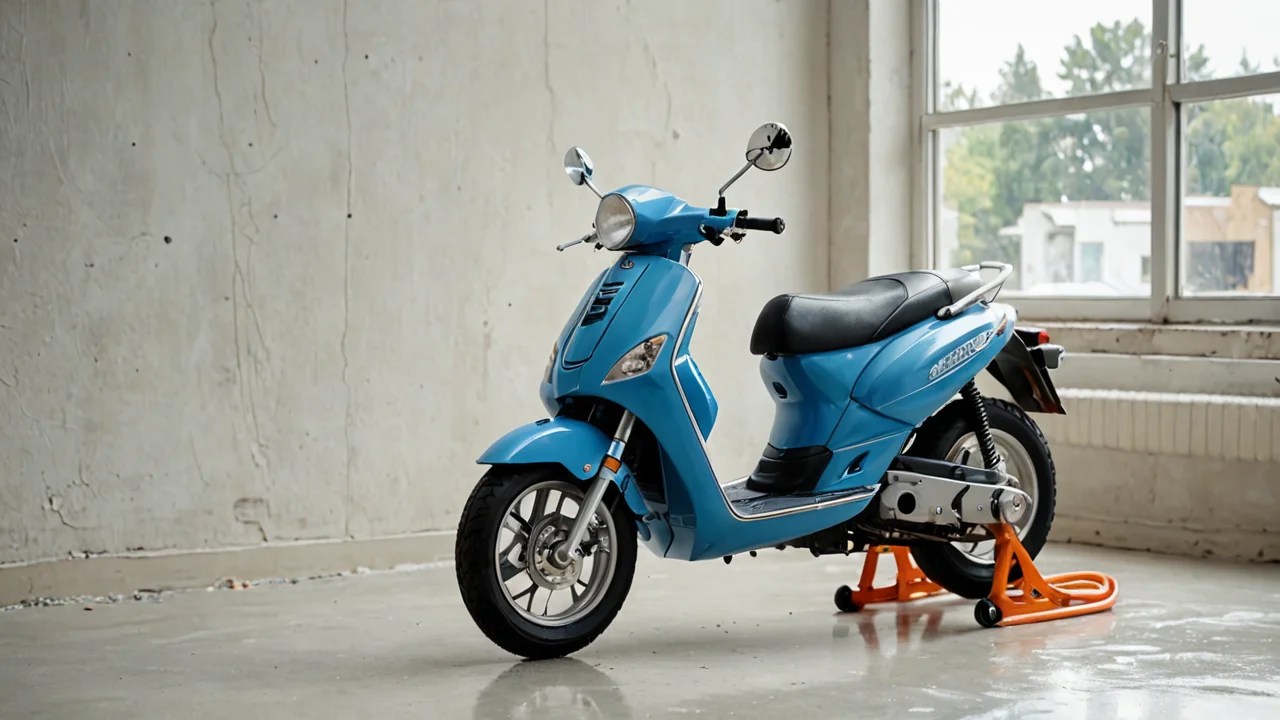
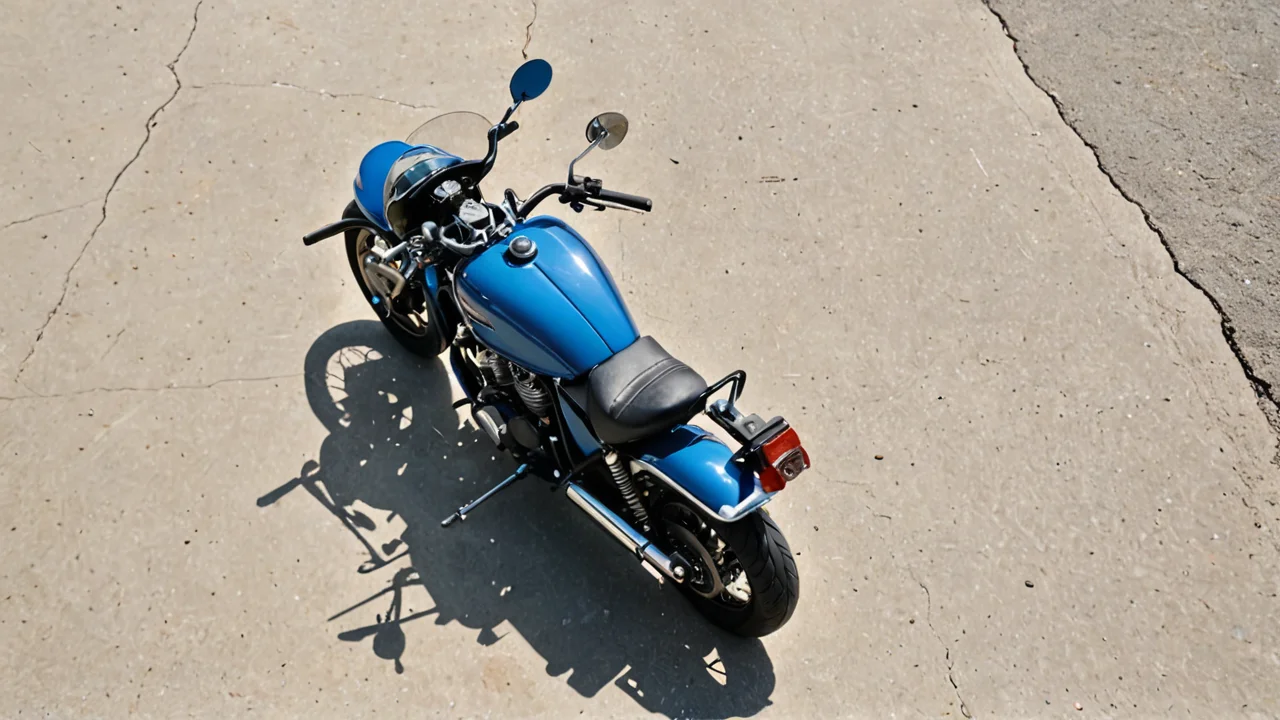
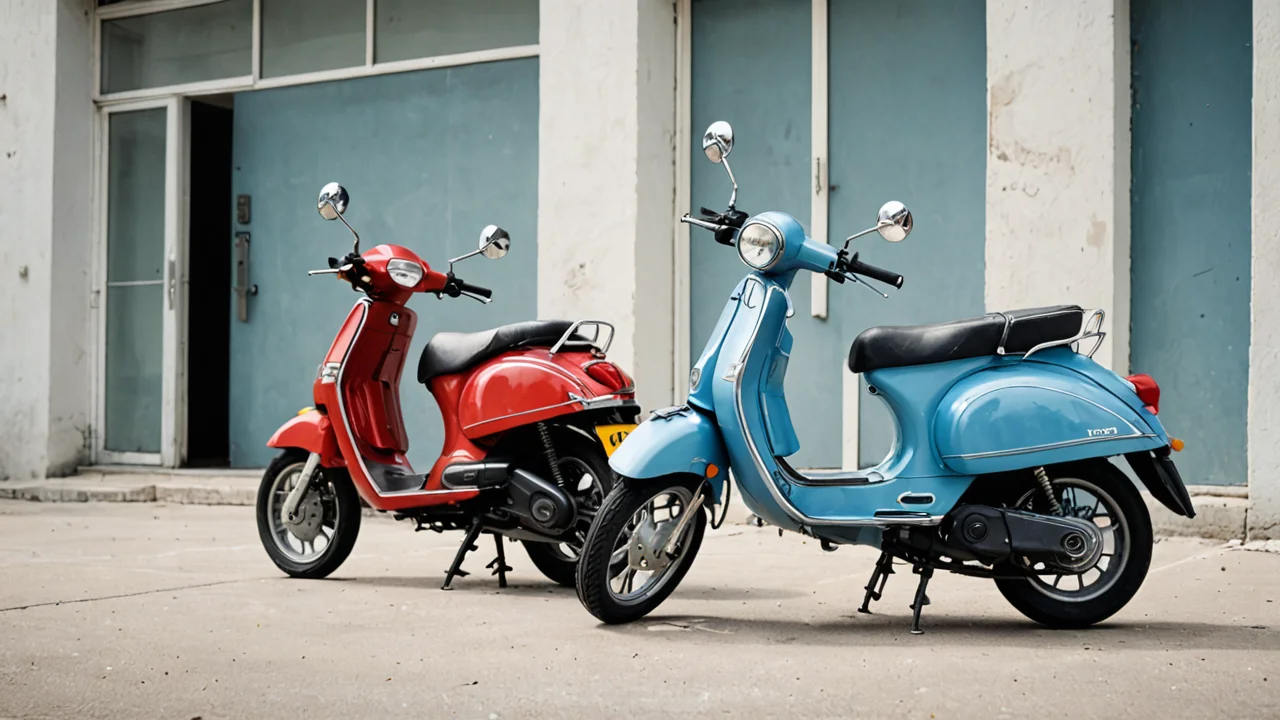
There is also a category boundary worth naming: if what you want is a throttle, no pedals in practice, and speeds beyond the federal envelope, you are shopping for a moped or a motorcycle, not an e-bike, and the licensing, registration, and helmet rules that come with it are a different and heavier set of obligations. Buying a machine that looks like a bicycle but legally is not one is how people end up uninsured and unlicensed on a vehicle they thought was a bike. The classes exist precisely so that you can tell the difference before you pay.
Finally, fit beats specification every time. A Class 1 bike whose frame puts you comfortably over the pedals will be ridden more than a Class 3 bike that leaves your wrists and back aching after twenty minutes. The class decides where you may go; the frame and contact points decide whether you actually go there.