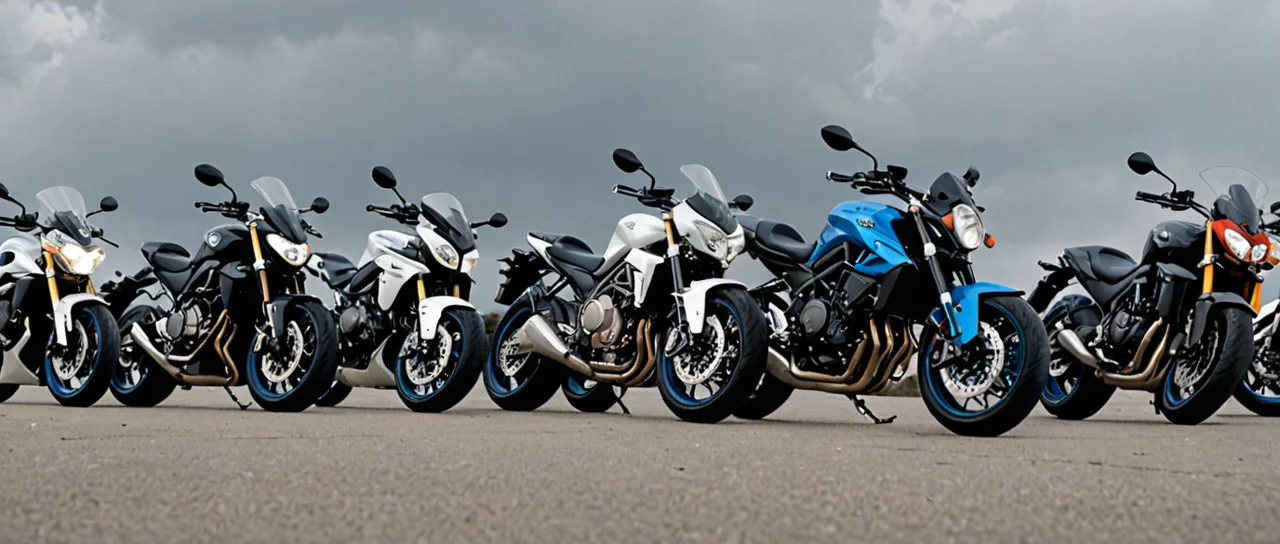
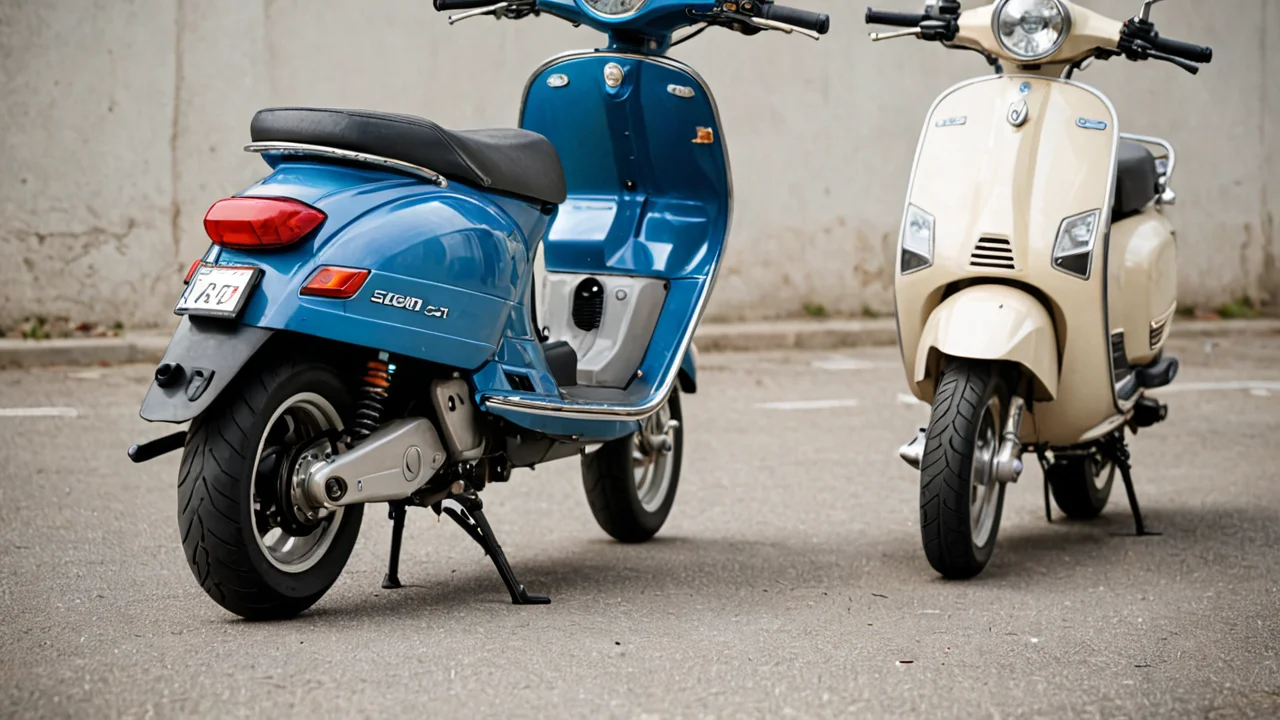
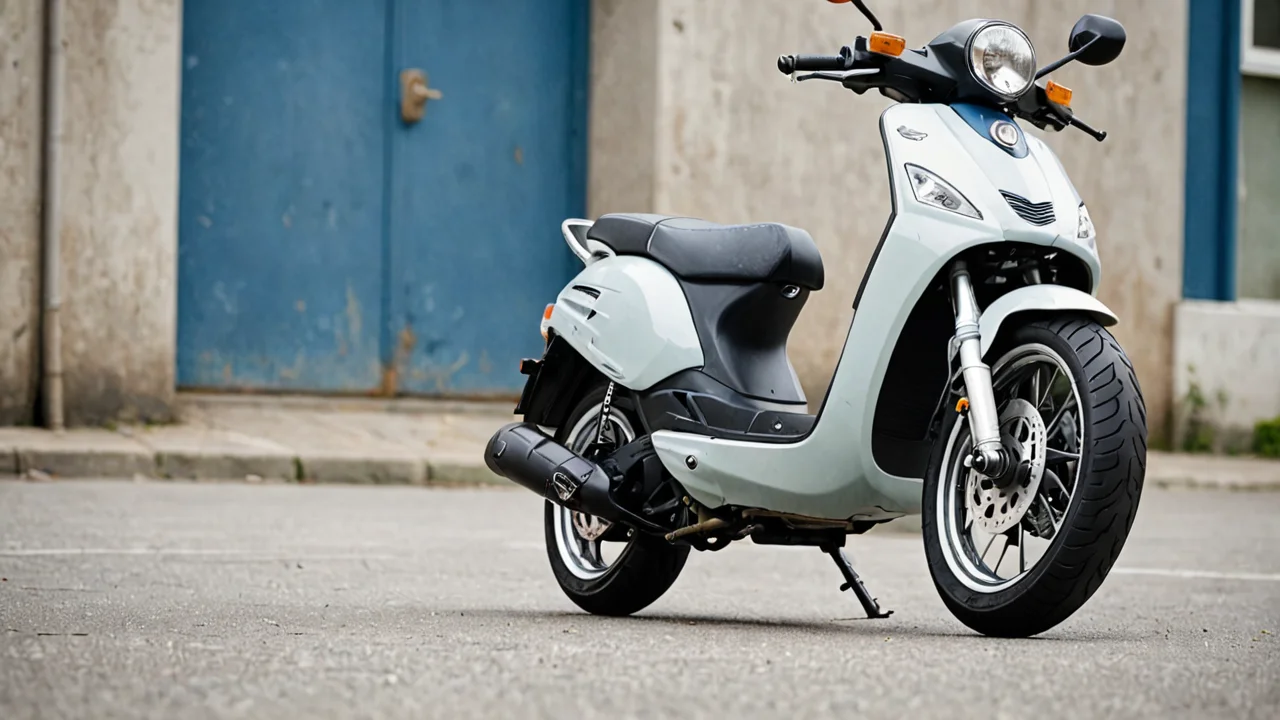
Performance Insights is the practice of measuring what a motorcycle or e-bike actually does — acceleration, braking distance, top speed, range, heat, wear — and then changing the machine or the riding to move those numbers. The single most important thing to understand before you start is that almost every performance figure is a conditional number: it belongs to a specific rider weight, temperature, tire, fuel load, and road surface. A number without its conditions is marketing, not data.
What performance numbers actually mean, and why the conditions matter more than the number
Two machines with identical spec sheets can differ by a wide margin in the real world because the spec sheet is measured under conditions the manufacturer chooses and rarely discloses in full. That problem is written into law in the e-bike world: the federal low-speed electric bicycle definition specifies a 170-pound test rider and a paved level surface, and the speed cap applies to motor power alone. Every published e-bike speed and power figure is therefore a statement about a particular rider on a particular surface, not a universal truth about the bike.
The same applies to motorcycles, only with more variables. A claimed wet weight usually excludes fuel. A claimed horsepower figure is measured at the crank, not the rear wheel, so driveline losses mean the number you feel is lower. A claimed 0–60 time assumes a skilled rider, a prepared surface, and a full clutch dump that most owners will never repeat. None of this is dishonest, but it means the first job in any performance work is separating the condition from the result. When someone quotes a range figure for an electric motorcycle, the useful question is not "how far" but "at what speed, at what ambient temperature, with what payload, and with how much of the battery reserved as a buffer."
The practical consequence is that your own baseline matters more than any published figure. Before changing anything — tires, gearing, a windscreen, an exhaust, a tune — record what the bike does now, in your conditions, with you aboard. A stopwatch, a GPS logger, a phone app, and a marked stretch of flat road will get you further than a dyno chart from a forum. The cost is time and repetition: you need several runs to separate a real change from noise. The benefit is that every later decision rests on evidence about your machine rather than someone else's.
The e-bike class system decides your legal performance ceiling before the hardware does
On an e-bike, the class defines the ceiling, and the hardware is built to sit under it. The federal baseline is a two- or three-wheeled vehicle with fully operable pedals and a motor of less than 750 watts, whose maximum speed on a paved level surface under motor power alone, with a 170-pound operator, is less than 20 mph. States then build their class definitions on that baseline, and the classes diverge in ways that directly affect what the bike can do and where you can ride it.
| Class | Motor behavior | Speed ceiling | Typical practical effect |
|---|---|---|---|
| Class 1 | Pedal assist only; motor cuts out when you stop pedaling | Assistance ceases at 20 mph | Widest trail and path access in most state schemes; no throttle to lean on when climbing |
| Class 2 | Throttle can drive the bike with no pedaling | Motor-only up to 20 mph | Useful for cargo, hills, and riders who need to rest; more restricted path access |
| Class 3 | Pedal assist, usually no throttle | Assistance up to 28 mph | Faster commuting; often carries age and helmet requirements the lower classes do not |
The line that catches people is the one above the classes: above 20 mph motor-only, or above 750 watts, a product may be treated as a motor vehicle requiring licensing and registration under state law. That is not a gray area you can tune your way out of. Derestricting a Class 1 or 2 bike to run past the cap does not create a faster bicycle in the eyes of the law; it can create an unregistered motor vehicle, with insurance and liability consequences that surface the moment something goes wrong.
So the first performance decision on an e-bike is not which motor — it is which class you actually need. A rider who wants to climb steep fire roads with a loaded trailer is choosing Class 2 and accepting narrower access. A commuter who wants to hold a higher average speed on open road is choosing Class 3 and accepting helmet and age rules. The trade-off is real in both directions: the faster class costs you access, and the more permissive class costs you speed and throttle convenience.
Motor power, torque, and gearing: where the performance actually comes from
Continuous rated motor power tells you how much heat the motor can shed over time, not how hard it pulls in a burst. A 750-watt-rated hub motor and a 750-watt-rated mid-drive can feel completely different on the same hill because the mid-drive runs through the bike's gearing and multiplies torque at the wheel, while the hub motor does not. Peak output is often higher than the continuous rating, but it is limited by a controller that will cut power when the motor or the battery gets hot. That cut is the thing you notice: a climb that starts strong and fades after a few minutes is a thermal limit, not a battery that is empty.
On motorcycles, the same distinction shows up between peak and sustained. A claimed horsepower figure describes a brief maximum; what you feel on a long climb or a track session is how well the cooling system holds that figure. Air-cooled engines lose output as heat soaks in, and the loss is gradual enough that riders often attribute it to altitude or fuel rather than temperature. Watching a temperature gauge on a repeated hard run tells you more about real performance than any single dyno pull.
Gearing is the cheapest performance change available and the most often overlooked. Changing a sprocket or a chainring alters where the engine or motor sits in its powerband for the speeds you actually ride, at the cost of top speed or acceleration at the other end. Before spending on engine work, work out what speed range you spend most of your time in and whether the current gearing puts you there. The limit is straightforward: gearing trades one kind of performance for another, and it cannot add power that is not there.
Brakes, tires, and suspension: the parts that decide whether the speed is usable
Braking distance is the most under-measured performance figure on any bike. Riders upgrade engines and ignore pads, fluid, lines, and tires, then discover on the first emergency stop that the limiting factor was never power. The sequence that matters is tire grip first, then brake hardware, then suspension that keeps the tire loaded instead of skipping over bumps. A bike with excellent brakes and cheap tires stops worse than a bike with ordinary brakes and good tires, because the tire is the only part touching the road.
Measure your own braking: pick a quiet, flat, clean stretch, mark a reference point, and practice stops from a fixed speed until the distance stops shrinking. If it plateaus well before you expect, the limit is technique or tire, not the caliper. If the lever goes soft after repeated hard stops, the limit is fluid or lines — a maintenance issue that shows up as a performance issue. The cost of this work is modest and the return is the largest safety gain available, which is why it belongs before any power modification.
Suspension settings change measured performance more than most riders expect, because they control how much time the tire spends in contact with the ground under braking and acceleration. Sag, rebound, and compression adjusters are free to change and free to change back. Set sag for your actual riding weight — gear, luggage, passenger — and adjust from there. The trade-off is that a setting that feels plush in a parking lot may wallow under hard braking, and a setting that feels sharp on a smooth road may rattle you off line on a broken one. Test on the surface you ride.
Range, heat, and wear: the numbers that change while you own the bike
Range on an electric bike is a moving target and should be treated as a range of outcomes rather than a single figure. Cold reduces usable battery capacity, high speed increases aerodynamic drag disproportionately, and payload adds directly to the energy needed for every climb. The honest way to plan is to establish your own consumption figure on your regular route at your regular speed, then apply a margin for the conditions you expect. A range estimate built from someone else's commute in someone else's weather will disappoint you on the first cold morning.
Heat is the shared constraint across every performance question. Motors, controllers, batteries, brakes, tires, and engines all have a temperature above which performance degrades or damage begins. The useful habit is to know where your machine's gauges sit during normal riding, so that a rise is visible rather than discovered as a failure. On an e-bike, a controller that throttles power on a long climb is protecting itself; on a motorcycle, brake fade on a mountain descent is fluid boiling or pads overheating. Both are performance limits you can measure and manage, and both are cheaper to manage than to repair.
Wear is the slow performance number. Chain and sprockets, brake pads, tires, and battery capacity all decline gradually, and the decline is easy to miss because it happens over months. A chain past its wear limit steals power and chews sprockets; a battery that has lost capacity shortens every ride a little at a time. Checking these on a schedule — and writing the results down — turns a vague sense that the bike feels tired into a specific maintenance decision. The cost is a few minutes a month; the alternative is replacing parts that failed early because nothing was measured.
Rider and gear: the variables you control that cost the least
Rider weight and position change measured performance on every machine, and they are the cheapest variables to adjust. The federal e-bike definition itself fixes a 170-pound test rider precisely because weight changes the result — a heavier rider accelerates more slowly, climbs hotter, and stops longer. On a motorcycle, body position affects drag, front-end load under braking, and how much suspension travel you use. None of this requires parts.
Helmets and protective gear are performance equipment in the only sense that ultimately matters: they determine what happens when the numbers go wrong. In the United States, helmets are certified to FMVSS No. 218, the federal motorcycle helmet standard, and a helmet that meets it will carry the DOT marking. Fit matters as much as certification: a helmet that rolls forward on impact or lifts at speed is not doing its job regardless of the label. The trade-off is comfort and heat versus protection, and the right answer depends on how and where you ride, not on what looks fastest.
The broader point is that the rider is part of the test rig. Consistency in how you sit, where you shift, and when you brake is what makes your measurements comparable from one week to the next. Change your riding position and your baseline moves with it. That is not a reason to avoid changing position — it is a reason to change one thing at a time and re-measure.
Building a measurement routine that survives contact with real riding
A useful performance routine is small enough that you will actually repeat it. Pick three or four fixed tests — a standing acceleration run to a set speed, a braking stop from a set speed, a known climb, and a consumption check on a regular route — and run them under the same conditions each time. Record the temperature, the tire pressures, and the load. The value is not in any single run but in the trend, because the trend is what tells you whether a change helped or whether the bike is quietly degrading.
Sequence your changes deliberately. Establish a baseline, then fix safety and maintenance items first — tires, brakes, fluid, chain — because a worn part contaminates every later measurement. Then adjust the free variables: tire pressure, suspension sag, rider position, gearing if it is cheap to swap. Only then consider hardware that adds power or speed, and when you do, change one thing and re-run the same tests. The cost of this discipline is patience; the alternative is a stack of modifications where you cannot say which one worked and which one quietly made things worse.
The limits are worth stating plainly. Home measurements carry error, weather changes between runs, and a single good result proves little. The point is not laboratory precision — it is knowing your own machine well enough to notice when something changes, and having the evidence to decide what to do about it. That is what performance insights are for: not a spec sheet to compare against strangers, but a record of your bike, in your conditions, that gets more useful every time you add to it.